How to Fix Windows Update Error Code 0x800F0988
Windows Update Error Code 0x800F0988 can appear when Windows fails to install an update. The problem may occur while you are upgrading Windows 10 or installing a cumulative update.
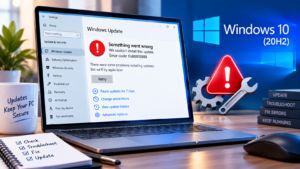
Several issues can cause this error. Common examples include corrupted Windows Update components, problems in the WinSxS component store, damaged system files, and incorrect system settings.
Fortunately, you can try several built-in Windows tools to resolve the problem. This guide explains how to fix Windows Update Error Code 0x800F0988 in Windows 10 and Windows 11.
What Causes Windows Update Error Code 0x800F0988?
The error can have several causes. The most common ones include:
- Corrupted Windows Update components
- Problems with the WinSxS component store
- Missing or damaged system files
- An incomplete previous update
- Incorrect date and time settings
- Problems with Windows Update services
Before trying advanced solutions, restart your computer and check Windows Update again. If the error returns, continue with the methods below.
How to Fix Windows Update Error Code 0x800F0988
Try these solutions in order. Start with the component cleanup and troubleshooting tools before considering a Windows reset.
1. Clean Up the WinSxS Component Store
The WinSxS folder stores important Windows components and files. Over time, it can contain unnecessary component data from previous updates.
Windows provides a DISM command that can clean up the component store.
Follow these steps:
- Open Command Prompt as administrator.
- Enter the following command:
DISM /Online /Cleanup-Image /StartComponentCleanup
- Press Enter.
- Wait for the operation to finish.
- Restart your computer.
After restarting, open Settings > Windows Update and check for updates again.
Avoid manually deleting files from the WinSxS folder. Windows manages this folder, and removing files manually can cause additional system problems.
2. Run the Windows Update Troubleshooter
Windows includes a built-in troubleshooter that can detect common update problems.
For Windows 11:
- Open Settings.
- Select System > Troubleshoot > Other troubleshooters.
- Find Windows Update.
- Click Run.
For Windows 10:
- Open Settings.
- Select Update & Security > Troubleshoot.
- Click Additional troubleshooters.
- Select Windows Update.
- Click Run the troubleshooter.
Let Windows complete the troubleshooting process. Then restart the PC and check for updates.
If Windows Update is also reporting network or update-service problems, see Windows Update Error Code 0x8024402C for related troubleshooting.
3. Repair Corrupted System Files
Damaged system files can interfere with Windows Update. The System File Checker can scan protected Windows files and repair problems it finds.
Open Command Prompt as administrator and run:
sfc /scannow
Press Enter and wait until the scan reaches 100 percent.
If SFC finds and repairs corrupted files, restart your computer. Then try installing the update again.
If SFC cannot repair all the damaged files, run DISM before running SFC again.
Open an elevated Command Prompt and enter:
DISM.exe /Online /Cleanup-Image /RestoreHealth
Allow the command to finish. Restart your PC and run sfc /scannow again.
If corrupted Windows components continue to cause update failures, see Windows Update Error Code 0x800F0900 for additional troubleshooting involving SFC, DISM, and Windows Update components.
4. Reset Windows Update Components
A corrupted Windows Update cache can prevent new updates from installing. Resetting the update services and cache can help resolve the problem.
Open Command Prompt as administrator.
Run these commands one at a time:
net stop wuauserv
net stop cryptsvc
net stop bits
net stop msiserver
Next, rename the Windows Update cache folders:
ren %systemroot%\SoftwareDistribution SoftwareDistribution.bak
ren %systemroot%\System32\catroot2 catroot2.bak
Now restart the services:
net start wuauserv
net start cryptsvc
net start bits
net start msiserver
Close Command Prompt and restart your computer.
Once Windows starts, open Windows Update and check for updates again.
5. Check Your Date and Time Settings
Incorrect date or time settings can interfere with Windows services and update connections.
To check your settings:
- Open Settings.
- Select Time & language.
- Choose Date & time.
- Turn on Set time automatically.
- Turn on Set time zone automatically if available.
- Click Sync now.
Restart your computer and try Windows Update again.
6. Try Windows Update Again
After completing the troubleshooting steps, restart your PC.
On Windows 11, open:
Settings > Windows Update
On Windows 10, open:
Settings > Update & Security > Windows Update
Select Check for updates and allow Windows to download and install the available updates.
If the update installs successfully, no further action is required.
If the update still fails to download, Windows Update Error Code 0x8024A206 provides additional troubleshooting for Windows Update download problems.
7. Reset Windows as a Last Resort
A Windows reset should not be the first solution. Use it only when the other troubleshooting methods have failed.
Before resetting Windows, back up important documents, photos, and other personal files.
Windows 11
- Open Settings.
- Select System > Recovery.
- Under Reset this PC, select Reset PC.
- Choose whether to keep or remove your personal files.
- Follow the instructions on the screen.
Windows 10
- Open Settings.
- Select Update & Security.
- Choose Recovery.
- Under Reset this PC, select Get started.
- Choose the appropriate reset option.
- Follow the on-screen instructions.
A reset can remove applications and change system settings, so use this option only after trying the less disruptive solutions.
Frequently Asked Questions
What is Windows Update Error Code 0x800F0988?
Windows Update Error Code 0x800F0988 is an update installation error that can occur when Windows encounters problems with system components or the update process.
Can DISM fix error 0x800F0988?
DISM can repair problems in the Windows component store. Running DISM /Online /Cleanup-Image /RestoreHealth can help when corrupted components are preventing Windows Update from working correctly.
Can cleaning the WinSxS folder fix the error?
The built-in DISM component cleanup command can remove unnecessary component data. It is safer than manually deleting files from the WinSxS folder.
Should I reset Windows to fix 0x800F0988?
No. A Windows reset should be a last resort. Try the Windows Update Troubleshooter, DISM, SFC, component cleanup, and Windows Update reset first.
Conclusion
Windows Update Error Code 0x800F0988 can prevent Windows 10 or Windows 11 from installing updates successfully. The problem may be related to the Windows component store, corrupted system files, damaged update components, or incorrect system settings.
Start by running the DISM component cleanup command and the Windows Update Troubleshooter. If the error remains, repair system files with SFC and DISM, reset the Windows Update components, and check your date and time settings.
In most cases, these built-in troubleshooting methods can help restore Windows Update without requiring a complete Windows reset.
Tags: error-code-0x800f0988, KB9199277, windows-update-error-code-0x800f0988
